Entry · Ref 1OIRJX4G
How to Record and Protect a Valuable Card Pull
- Posted
- 2026-11-16
- Last amended
- 2026-11-16
- Account
- @thecollectorcorner
Why Documentation Matters for Your Collection
Opening a pack and finding a rare hit is one of the most exciting moments in collecting football memorabilia cards. That rush of adrenaline can quickly turn to confusion, though, if you are not sure how to preserve the card's value. A valuable card pull is not just about the card itself - it is about the story that comes with it. The way you handle, record, and store that card from the moment it leaves the pack can make a real difference to its long-term worth.
Many collectors focus only on the card's condition, but provenance and proof of origin matter just as much. A card with a clear, documented history will always be more attractive to buyers, traders, and graders. This article walks through the key points to check so your next big pull stays safe and retains its value.
Handle the Card Correctly from the Start
The first few seconds after a pull set the tone for everything that follows. Your hands can transfer oils and dirt that damage the surface over time. Always wash and dry your hands before touching any card. Better still, use cotton gloves if you have them. Pick the card up by its edges and avoid pressing on the face. Hold it over a clean, soft surface such as a microfiber cloth in case you drop it.
Do not stack the card face-down on a table or lean it against other objects. The smallest scratch can drop a card's grade by a full point. Once you have looked at the card, slide it straight into a penny sleeve. A penny sleeve is a soft, non-PVC plastic sleeve that protects the card from scratches and dust. After that, place it into a rigid top loader. This two-layer system keeps the card flat and shields it from bending or crushing.
Photograph the Pull Immediately
Visual evidence of the moment you pulled the card is powerful proof of origin. Take a clear photo of the card still in the pack if possible, or right next to the pack wrapper. Show the pack's packaging, the card's front, and the card's back in separate shots. Good lighting and a plain background help. Do not use flash directly on the card - it can wash out details and create glare.
Take the photos within minutes of opening the pack. Time-stamped images are harder to dispute later. If you stream your pulls on a platform such as Whatnot, save a clip of the moment. A video showing the pack being opened live is even stronger evidence. Keep these files in a folder on your computer or cloud storage, labelled with the card's name and the date. This kind of documentation becomes part of the card's provenance file.
Record the Key Details in a Log
A written record gives you a quick reference for each valuable card. You can use a notebook, a spreadsheet, or a dedicated app. Include at least the following information for every significant pull:
- Card name, year, set, and player name
- Condition notes: any visible wear, centering, surface issues
- Serial number if the card has one
- Date and time of the pull
- Where you bought the pack or box
This log helps you track your collection's growth and makes it easy to provide details when you decide to sell, trade, or grade a card. Update the log as soon as you finish photographing the card. A fresh memory is more accurate than one from a week later.
Store the Card in a Safe Environment
Even the best sleeve and top loader cannot protect a card from poor storage conditions. Keep your collection in a cool, dry place away from direct sunlight. Humidity above 60% can cause paper to warp and ink to fade. A dehumidifier in the storage room helps. Avoid attics and basements where temperature and moisture levels swing.
For your most valuable pulls, consider a graded card holder or a magnetic one-touch case. These provide extra rigidity and display the card without exposing it to the air. Stacking cards flat in a cardboard box is fine for bulk storage, but for high-value items, individual protection is worth the investment.
Consider Grading for Long-Term Value
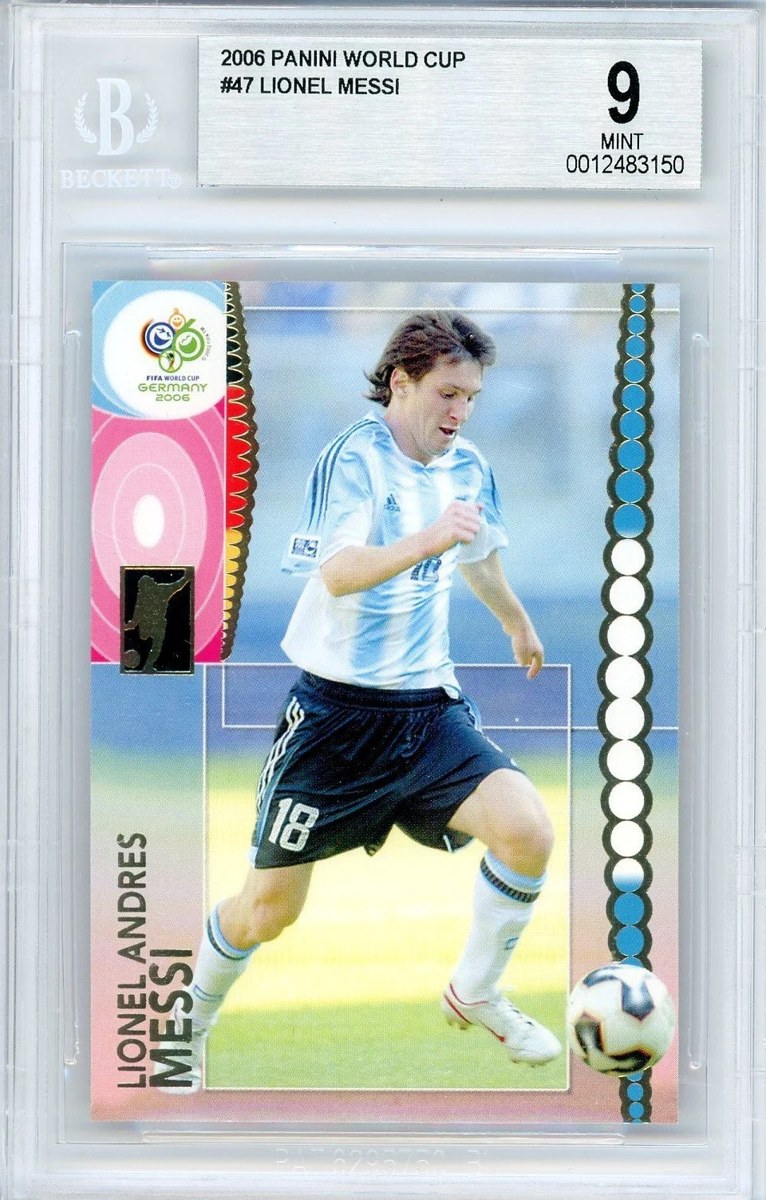
Grading is the process where a professional service evaluates a card's condition and assigns it a numeric grade. A high grade can significantly increase a card's market value. Grading also seals the card in a tamper-evident holder, which protects it from further handling damage. For football autograph cards, grading is especially useful because it authenticates the signature and assigns a condition score to the card and the autograph separately.
Before you submit a card for grading, check the grader's condition guidelines. Look at the centering of the image, the sharpness of the corners, and the surface for scratches or print lines. A card that looks perfect to the eye might still have a tiny flaw that affects the grade. If you are unsure, ask a collector community for a second opinion. Grading is not cheap, so only submit cards that you believe have a good chance of scoring well.

Provenance Matters for Signed and Match-Worn Items
Signed cards and match-worn relics rely heavily on proof of authenticity. A card signed by a player at a show might come with a certificate of authenticity (COA) from the event organiser. Keep that COA with the card in a protective sleeve or folder. For player-worn items such as a piece of jersey or a match-worn boot, a letter from the team or a known authenticator is essential.
Photograph the item with the COA or letter, and store both together. Do not separate them. A collector who sees a match-worn relic without its paperwork will always question its origin. Football autograph cards often include a small piece of fabric or a signed sticker on the card itself, so the card usually carries its own proof. Still, keep any external paperwork in the same storage box.
Back Up Your Digital Records
Your photos, videos, and log files are as valuable as the card itself when it comes to proving provenance. A hard drive failure or lost phone can erase that evidence in seconds. Set up a simple backup system. Use cloud storage such as Google Drive or Dropbox to keep copies of all your files. Alternatively, save them to an external hard drive that you store in a different location from your cards.
Organise your digital files by year and set, with subfolders for each card. Name each file with the card's full name and date. This makes searching easy and shows a potential buyer that you took care to document everything.
Insure Your Collection if It Grows Large
Once your collection reaches a certain value, home contents insurance might not cover it fully. Specialist collectables insurance policies are available and often cost less than you think. They cover loss, theft, and damage during shipping if you sell or trade. Keep your log and photos as part of your insurance evidence. An insurer will ask for proof of ownership and value, and a well-documented collection makes the process smooth.
Check whether your policy covers cards stored at a grading company or at a friend's house. Some policies have limits on items away from home. Update your insurance whenever you add a card worth more than a certain threshold.
Review Your Process Regularly
Collecting habits change, and new products appear every season. A checklist that worked for you a year ago might need updating. Set a reminder every few months to review your storage setup, check your backup system, and update your log with any new pulls. If you have sent cards for grading, add the grade and the date to your log once they return.
This ongoing care keeps your collection organised and protects its value. A little effort after each pull saves you from scrambling later when you need to prove a card's history. The best collectors are the ones who treat every card with the same level of care from the moment it comes out of the pack.